






Incarvillea Devevayi (Hardy Gloxinia)

- -10%

- -10%


Last Reviews
Discover the Beauty of Hardy Gloxinia
Hardy gloxinia, or Incarvillea Delavayi, is for gardening folks, a rare and colorful newcomer to the outdoor spaces. Look at the hardy gloxinia that can make any garden a blooming oasis with the help of its bell-shaped flowers and leafy, elegant appearance. Hardy gloxinia plants will look like this. These perennial flowering species are sought after for their flamboyant exterior and ability to be in various types of gardens like traditional borders or modern semi-wild designs.
What is Hardy Gloxinia?
Gloxinia hardy is not a gloxinia, as the name suggests. However, like this well-known houseplant, it includes many qualities that gardeners value. This perennial, also called hardy gloxinia, comes from the mountainous regions of Asia. Since it can withstand not only heat but also frost, it is a favorable choice for those gardeners who want their plants to continue to bloom without constant care during colder times.
Key Features of Hardy Gloxinia Flowers
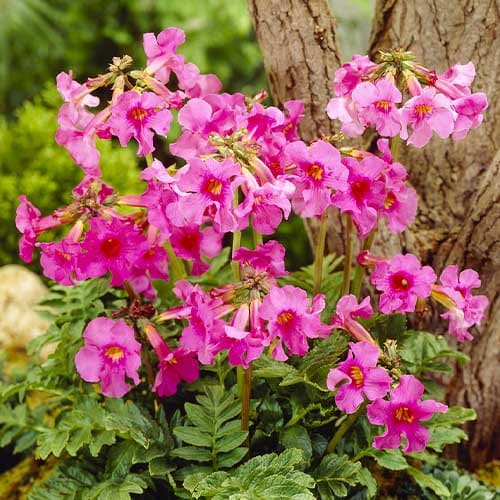
One of the standout qualities of hardy gloxinia flowers is their bold, trumpet-shaped blossoms. These blooms not only provide a visual feast with their vibrant hues but also attract pollinators, enhancing the ecological value of your garden. The colorful display includes shades of pink, magenta, and violet, creating a vivid contrast against lush green foliage. With a blooming season that starts in late spring and often continues into early summer, hardy gloxinia offers weeks of floral interest. Additionally, the large, open flowers are perfect for attracting bees and butterflies, adding life and movement to your garden.
Hardy Gloxinia Plants and Bulbs for Sale
One of the outstanding qualities of the hardy gloxinia flowers is their bright, tubular petals. These flowers create a visual delight with their vibrant hues and attract pollinating bees, increasing the ecological value of your garden. The vibrant coloration includes many different shades of yellow, pink, and purple, creating a striking contrast against the lush green foliage. With a blooming season that begins in late spring and often lasts until early summer, the hardy gloxinia provides weeks of floral interest. In addition, the large open flowers are an ideal place to attract bees and butterflies, adding life and movement to your garden.
Why Choose Our Hardy Gloxinia Bulbs?
- Premium Quality Bulbs: Our bulbs are sourced from trusted growers and inspected for health and viability before shipping.
- Expert Gardening Advice: We offer detailed planting instructions and care tips to ensure your success.
- Satisfaction Guarantee: Your satisfaction is our priority. If you’re not happy with your purchase, we’re here to make it right.
Hardy Gloxinia Varieties We Offer
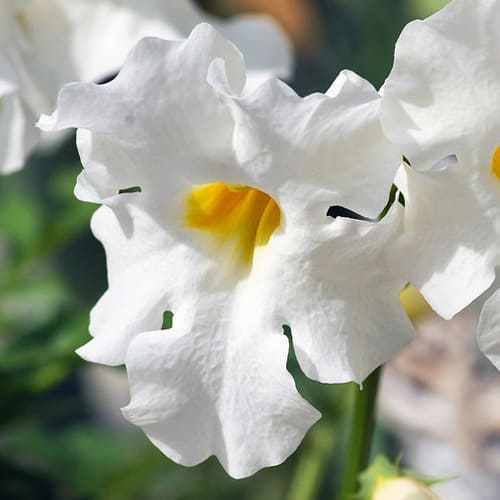
Our range of hardy gloxinia includes many popular varieties, each with unique features that set them apart. ‘Delavayi Pink’ is a classic favorite with our customers, known for its soft pink flowers and compact shape. ‘Ruby Star’ has deep purple flowers that add a splash of color to any garden. For a subtle, elegant border, ‘White Swan’ has pure white blooms that will add a sophisticated touch to any landscape.
Planting and Growing Hardy Gloxinia
Planting hardy gloxinia is a fairly straightforward task that even beginners can handle. These hardy perennials grow well in soil with good drainage and prefer areas that receive partial to full sunlight. When planting hardy gloxinia bulbs, they should be buried 3-4 centimeters deep and spaced about 12-15 centimeters apart to ensure proper air circulation. Once the plants have taken root, care is minimal— they only need to be watered regularly during the dry season and covered with mulch in autumn to protect the roots from frost.
Planting Hardy Gloxinia Bulbs: Step-by-Step
To achieve the best results, start by choosing a site with well-draining soil and adequate sunlight. Plant the bulbs by digging a hole about 3-4 inches deep, placing the bulb with the pointed end facing upward, and covering it with soil. Gently firm the ground and water thoroughly. For optimal growth, space the bulbs 12-15 inches apart and add a layer of mulch to help retain moisture and suppress weeds.
Growing Conditions for Optimal Results
- Sunlight: Full sun to partial shade.
- Watering: Keep the soil moist, but not waterlogged, especially during the growing season.
- Soil: Well-draining soil with added organic matter for improved fertility.
Fertilization and Soil Requirements
Although hardy gloxinia is relatively undemanding to grow, a few simple steps can ensure the best results. Adding compost or a balanced, slow-release fertilizer in early spring helps to encourage vigorous growth. It's also helpful to check the pH of your soil and try to keep it between slightly acidic and neutral. Finally, using mulch around your plants retains moisture and prevents the growth of harmful weeds, creating a more sustainable environment for your flowers.
Caring for Your Hardy Gloxinia Plants
Once established, hardy gloxinia requires little effort to thrive:
- Remove spent blooms to encourage continuous flowering.
- Water deeply during dry periods to maintain healthy roots.
- Cut back the foliage in late fall after the blooms have faded, preparing the plant for winter dormancy.
Seasonal Care Tips
To ensure your hardy gloxinia plants continue to bloom year after year, follow these seasonal care tips for Incarvillea Delavayi:
- Spring: Apply fertilizer and water regularly to support new growth.
- Summer: Deadhead faded flowers to extend the blooming period.
- Fall: Add mulch to insulate the roots and cut back dead foliage.
- Winter: In colder regions, cover with a layer of straw or leaves to protect the plants from harsh temperatures.
Protecting Hardy Gloxinia in Cold Climates
In regions with harsh winters, it is important to take extra measures to protect your hardy gloxinia. In late autumn, apply a 2-3-inch layer of mulch around the base of the plants, then cover them with evergreen branches or burlap to protect them from severe frost. In regions with extreme cold, you can dig up the bulbs, store them in a cool, dry place, and replant them when spring arrives.